car repair warranty insurance made practicalYou want coverage that matches how you drive, not just another payment. This comparison-guide clarifies where each option shines, where it stumbles, and what proof looks like when a claim lands. What it is, and what it isn'tCar repair warranty insurance helps pay for mechanical or electrical failures after the original factory warranty fades. It is not routine maintenance, cosmetic fixes, or collision coverage. Think engines, transmissions, sensors, and control modules - when they fail unexpectedly. Where it fits - and where it doesn't- Good fit: You keep cars past 60,000 - 100,000 miles, prefer predictable costs, and want guardrails against big, sudden repairs.
- Maybe: You're on the fence, but one major repair would strain your savings.
- Poor fit: You sell early, have a rock-solid emergency fund, or drive a model with low failure rates and cheap parts.
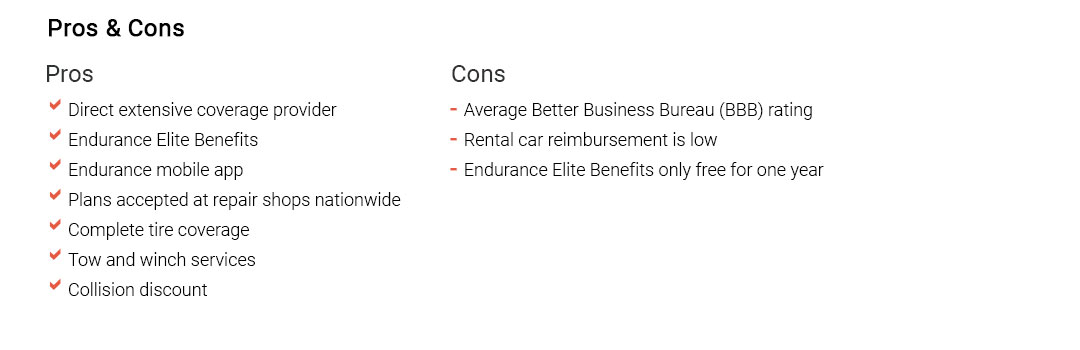
Plan types comparedManufacturer extended warranty (vehicle service contract)- Pros: OEM parts, dealer network, simpler claims.
- Cons: Pricey; sometimes narrower coverage tiers.
Third-party service contract- Pros: Flexible coverage, wider repair-shop choice, frequent deductible options.
- Cons: Varies by provider; claims can be slower; read exclusions carefully.
Mechanical breakdown insurance (MBI)- Pros: Regulated like insurance; simple monthly add-on with some auto insurers.
- Cons: Often only for newer, lower-mileage cars; coverage windows can be short.
Self-insuring (set aside cash)- Pros: Full control, no fine print.
- Cons: Requires discipline and time to build; one big failure can outpace your fund.
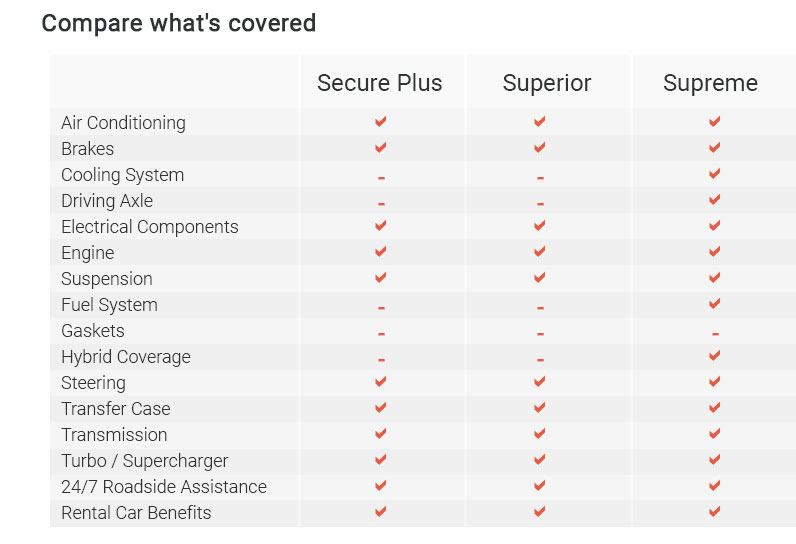
What's commonly covered vs excluded- Covered (typical): Engine internals, transmission, drivetrain, alternator, A/C compressor, infotainment head units, sensors, and modules - subject to terms.
- Excluded (typical): Wear items (brakes, tires, wiper blades), fluids, trims, glass, cosmetic issues, damage from neglect or modifications.
Real-world moment: a quiet proof pointOn a wet Thursday evening, Maya's dashboard lit up. Her 2016 sedan limped into a reputable independent shop. The diagnosis: failed water pump and a cooked belt tensioner, plus a coolant sensor. The repair order totaled $1,980. Her plan approved OEM-grade parts and labor at book time. With a $200 deductible and a small shop markup outside labor cap, her out-of-pocket landed at $340, and she was back on the road before the weekend - calmly. Costs, deductibles, and claim math (evidence you can follow)- Premiums: Roughly $35 - $120 per month or $1,200 - $3,000 upfront for multi-year terms.
- Deductibles: $0, $100, $200, or per-visit vs per-repair line - per-visit usually saves more on multi-component jobs.
- Example: Repair = $2,400. Policy pays $2,400 − $200 deductible − $150 in non-covered shop fees = $2,050 net benefit.
- Break-even idea: If your expected failures over the term are below the premium plus deductible exposure, self-insure; otherwise, coverage can pencil out.
How to evaluate - step by step- Check your baseline risk: Mileage, known issues for your make/model, and your annual miles.
- Price the big three: Transmission, engine, and electronics module replacements in your area.
- Read the specimen contract: Coverage tiers, exclusions, caps, diagnostics, and labor rate limits.
- Confirm claims flow: Pre-authorization, inspection rules, payment to shop vs reimbursement.
- Run your math: Premium + likely deductibles vs your realistic repair exposure.
- Test shop fit: Ask your preferred shop if they work with the provider and at what labor rate.
Signals you may benefit- High mileage target and mostly out-of-warranty years ahead.
- Turbo, hybrid, or advanced driver-assist systems where parts are costly.
- Uneven cash flow but steady driving needs.
- Used purchase with sketchy maintenance records.
Small print that matters more than price- Labor rate caps: If the policy caps at $110/hr and your shop charges $160/hr, you pay the gap.
- Diagnostics: Some plans cover only approved diag hours; others exclude diag if no covered failure is found.
- Maintenance proof: Keep receipts; missing oil-change records can void a claim.
- Network requirements: A few plans require specific shops; others allow any ASE-certified shop.
- Part quality: OEM vs aftermarket - approval rules affect both reliability and cost.
If you skip coverage, make skipping work- Automate a monthly transfer equal to a typical premium into a car-only fund.
- Get a baseline inspection to catch borderline components early.
- Follow severe-duty service intervals if you tow, idle, or face extreme temps.
Bottom lineMatch coverage to how you drive and how you budget. If one major repair would upend your plans, a well-vetted policy can turn a bad day into an acceptable one; if your savings and risk tolerance are strong, build your own cushion and revisit as your mileage and repair data evolve over time.
https://olive.com/
Many people believe they are purchasing an extended car warranty, whether it is from the dealer or third party. However, unless you have an extended warranty ...

|
|